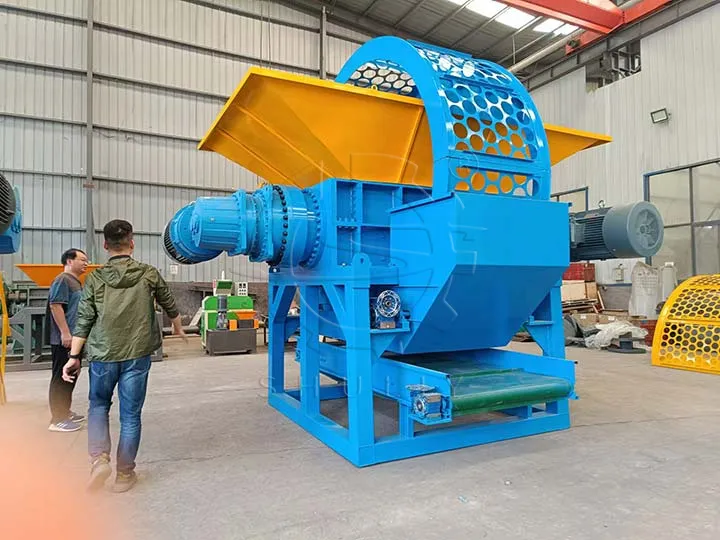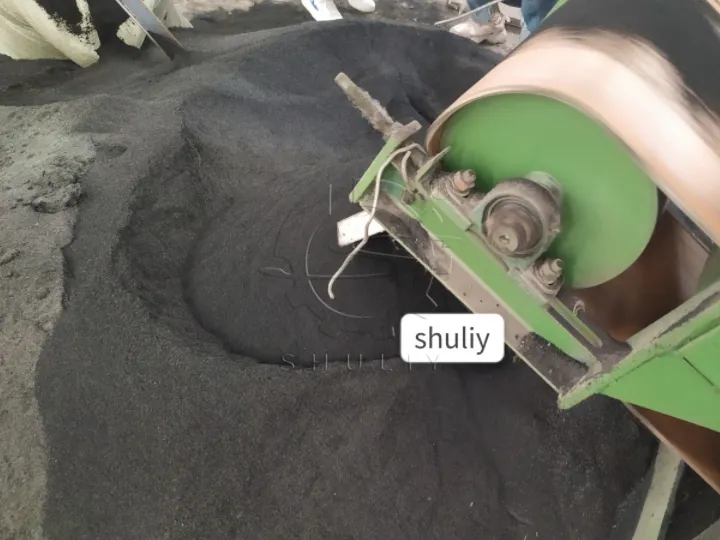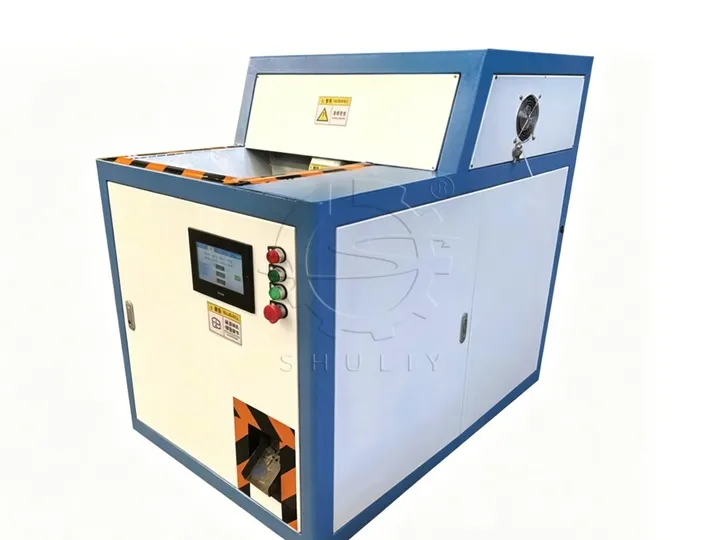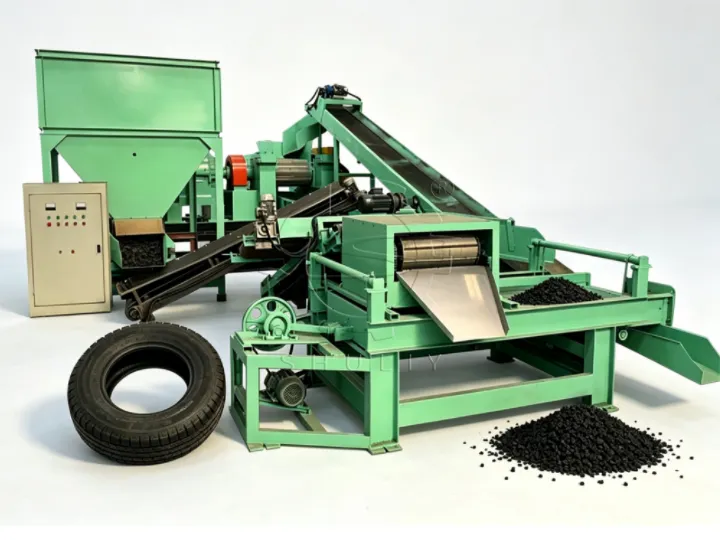
1. Why Does Tire Shredder Downtime Matter?
Tire shredder downtime reduces production, interrupts downstream processes, and may delay deliveries. Even when a machine has a high rated capacity, frequent stoppages can significantly reduce actual daily output.
The first step toward reducing tire shredder downtime is to identify why the machine stops, how long each interruption lasts, and whether the cause is mechanical, electrical, material-related, or operational.
2. Five Common Causes of Tire Shredder Downtime
1. Blade Wear or Damage
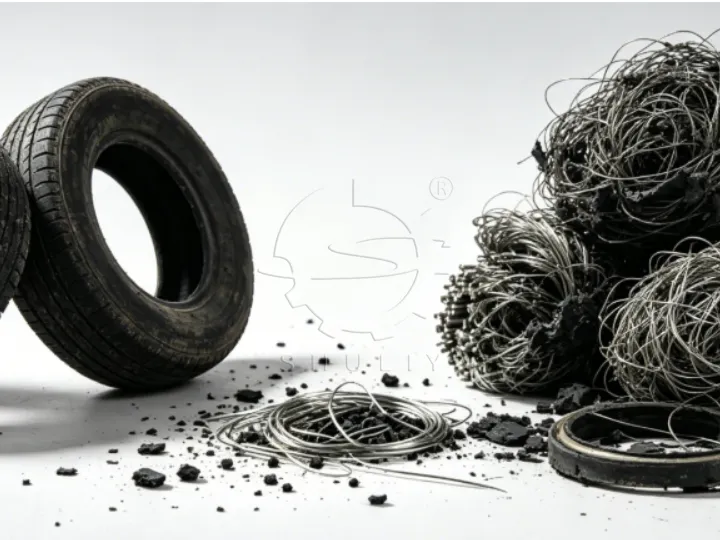
Tire rubber contains embedded steel and other reinforcing materials. Over time, these can contribute to blade wear and cutting performance changes.
What to do: Inspect blades according to the manufacturer’s maintenance schedule. Check for unusual wear, chipping, loose fasteners, and changes in output. Use approved replacement parts and the specified blade configuration.
2. Overloading and Material Jams
Excessive feeding, unsuitable tire sizes, or foreign objects can cause overloads and interruptions.
What to do: Follow the machine’s rated feed specifications and keep material feeding consistent. Investigate repeated overloads instead of simply restarting the machine each time.
Never remove jammed material while the shredder is running. Isolate the power supply and follow the manufacturer’s lockout procedure before maintenance.
3. Drive System or Electrical Problems
Motor faults, gearbox problems, loose electrical connections, or protection-system trips can stop production.
What to do: Have qualified personnel inspect alarms, motor current, lubrication, gearbox condition, and electrical protection devices. Do not bypass overload protection to keep production running.
4. Bearing Overheating or Poor Lubrication
Insufficient lubrication, contamination, misalignment, or excessive loads can contribute to bearing problems.
What to do: Monitor bearing temperature, vibration, unusual noise, and lubrication condition. Investigate sudden changes instead of waiting for a complete failure.
5. Downstream Equipment Blockages
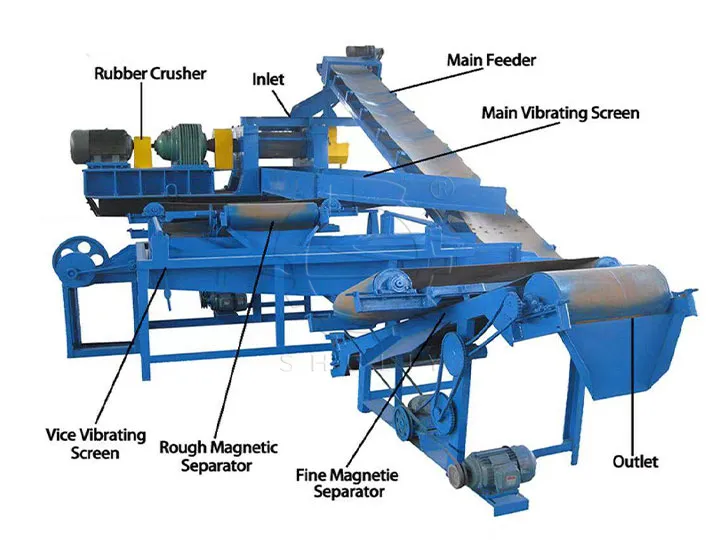
の シュレッダー may operate correctly while a conveyor, magnetic separator, or subsequent processing machine becomes blocked or stops.
What to do: Check the entire processing line and coordinate the operating speeds of connected equipment. Record where material accumulates during interruptions.
3. How to Track Tire Shredder Downtime
A simple downtime log can help maintenance teams identify recurring problems.
Record these details for every interruption:
| Record | What to Include |
|---|---|
| Start and end time | Total interruption duration |
| Machine status | Alarm, overload, abnormal noise, or other symptoms |
| Suspected cause | Mechanical, electrical, material, or operational |
| Corrective action | Inspection, cleaning, adjustment, or part replacement |
| Follow-up | Whether the same problem occurs again |
For example, if the machine stops five times per shift due to inconsistent feeding, improving the feeding process may be more effective than replacing the shredder.
Use recorded data to prioritize maintenance work based on frequency, duration, safety risk, and production impact.
4. Preventive Maintenance Checklist
A practical maintenance plan should cover the following areas:
- Before operation: Check safety guards, emergency stops, visible blade condition, and the work area.
- During operation: Monitor unusual vibration, noise, temperature, feeding behavior, and machine alarms.
- At scheduled intervals: Inspect blades, fasteners, bearings, lubrication, gearbox components, and electrical connections according to the manufacturer’s instructions.
- After a breakdown: Document the cause, repair, replaced parts, and any changes needed to prevent recurrence.
Maintenance intervals depend on the machine model, material, operating hours, and working conditions. Always follow the manufacturer’s manual rather than applying a universal replacement schedule.
5. When Should You Repair or Upgrade Your Tire Shredder?
Repair may be the practical choice when the problem is limited to replaceable wear parts or a specific component.
An upgrade or equipment review may be appropriate when:
- Repeated breakdowns continue despite proper maintenance.
- Actual throughput cannot meet the production target.
- The tire type or input dimensions have changed.
- Existing feeding or downstream equipment restricts production.
- Spare-part availability or service support creates prolonged downtime.
Before replacing the entire machine, evaluate the full process line. The problem may be caused by feeding, conveying, or downstream processing rather than the shredder itself.
6. Get Support for Your Tire Shredder
To help identify a recurring problem, prepare the machine model, operating hours, tire type, symptoms, alarm information, and photographs or videos where safe to obtain.
Shuliy provides tire recycling equipment and technical support for different processing requirements. Our team can help review your application and discuss suitable equipment or maintenance options.
Experiencing repeated tire shredder downtime?
Visit Shuliy’s tire recycling equipment page to discuss your machine requirements and support needs.
Frequently Asked Questions
What is the most common cause of tire shredder downtime?
There is no single cause for every machine. Blade wear, inconsistent feeding, overloads, drive-system faults, and downstream blockages are all possible causes. Maintenance logs help identify the actual problem.
How can I reduce unplanned downtime?
Follow the manufacturer’s maintenance schedule, train operators, inspect wear parts, monitor abnormal conditions, and record every interruption. Investigate recurring faults instead of repeatedly restarting the machine without diagnosis.
How often should tire shredder blades be replaced?
There is no universal replacement interval. Blade life depends on material, steel content, blade specifications, operating hours, and maintenance practices. Inspect blades regularly and follow the manufacturer’s replacement criteria.
Should I replace the entire shredder after repeated failures?
Not necessarily. First identify the root cause and assess whether repair, component replacement, improved feeding, or downstream upgrades can solve the problem. Consider a new machine when the existing configuration cannot reliably meet production requirements.