Choosing between a PET bottle crusher vs shredder confuses many recycling business owners. The terms often get used interchangeably, but these machines work differently and produce different results. Understanding the differences helps you make the right investment for your specific needs.
What is a PET Bottle Crusher?
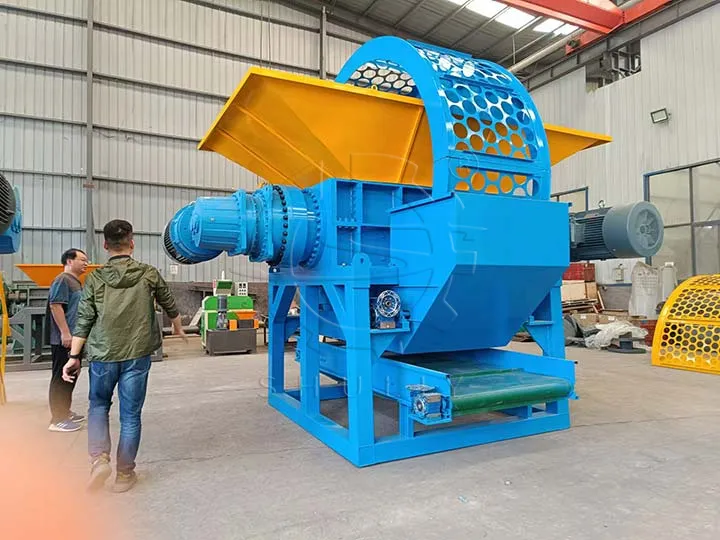
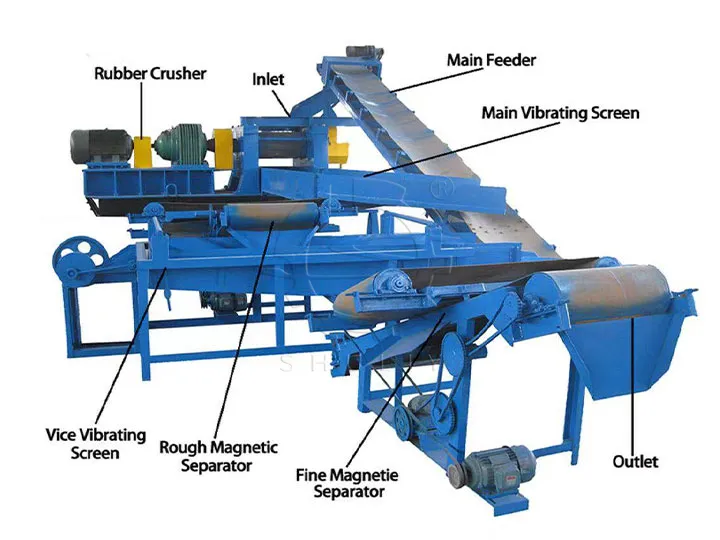
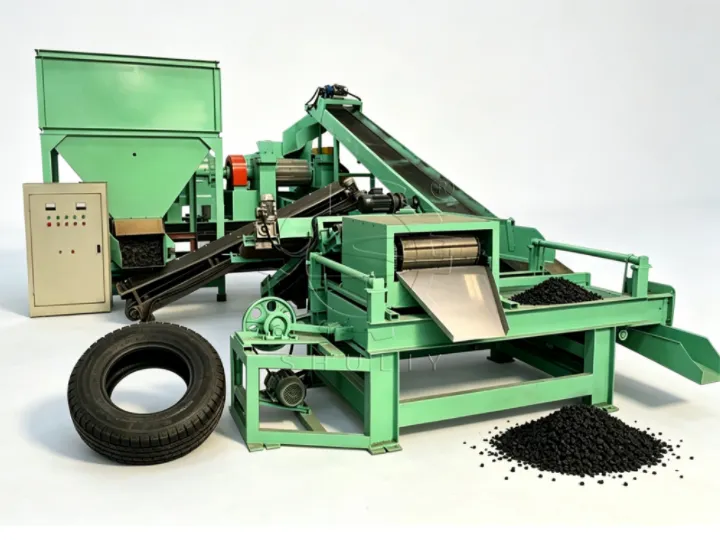
A PET bottle crusher uses compressive force combined with cutting action to break plastic bottles. The machine has three main components: a hopper at the top, a crushing chamber with rotating blades in the middle, and a screen at the bottom.
The action compresses and shears material simultaneously. As bottles enter the cutting chamber, rotating blades slice through the plastic while pressure from the chamber walls crushes it. This combined action breaks bottles into uniform flakes or small chunks.
PET bottle crushers handle high volumes efficiently. The design allows continuous feeding and processing without manual intervention. These machines work particularly well for material that goes directly to washing lines, as the output flows easily through cleaning systems.
The uniform output from crushers simplifies downstream processing. Washing facilities prefer the consistent flake sizes because they clean more evenly and move through equipment predictably.
What is a PET Bottle Shredder?
A PET bottle shredder uses tearing and cutting actions to process materials. The machine features intermeshing blades that pull and slice through plastic. Unlike crushers that compress and cut, shredders rely more on the tearing action.
The output tends toward longer, fibrous pieces or strips rather than the chunk-like output from crushers. This significantly different result comes from the blade design and processing action.
Shredders handle tough materials better than crushers in some applications. Thick-walled bottles and containers with irregular shapes often process more effectively through the tearing action. The aggressive blade engagement pulls material through more thoroughly.
Some applications specifically require shredded output. Fiber production, for example, benefits from the longer pieces that shredders produce.
Key Technical Differences
Blade Design
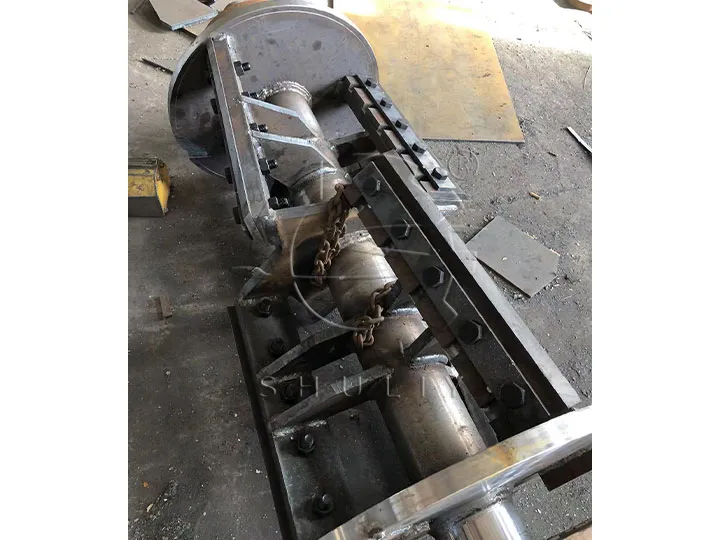
The most fundamental difference lies in blade design. Crusher blades have thick, heavy cutting edges designed to slice while compressing. They work like industrial scissors, combining pressure with cutting action.
Shredder blades feature hook-like designs that engage and pull material. Rather than simply cutting, these blades grab and tear. This action creates different stress on the material and produces different output.
The maintenance requirements differ accordingly. Crusher blades typically last longer because they work in a crushing rather than tearing motion. Shredder blades experience more stress and may require more frequent replacement.
Output Size and Shape
Crushers produce uniform flakes, typically 10mm to 30mm in size. These pieces have relatively consistent dimensions and flow easily through washing systems and downstream equipment.
Shredders produce elongated strips or fibers. These pieces vary more in size and shape. Depending on the configuration, output might range from 20mm strips down to fine fibrous material.
The difference matters for your buyers. Most recycling facilities prefer crusher output because it processes more easily through washing and cleaning. Some specialized applications specifically need shredded material.
Processing Speed
Crushers typically process standard PET bottles faster than shredders. The crushing action is efficient for the typical bottle wall thickness and shape. This higher throughput makes crushers the standard choice for most recycling operations.
Shredders operate more slowly but achieve more thorough size reduction on difficult materials. When processing thick-walled containers or particularly tough materials, the slower speed produces better results.
Advantages and Disadvantages
PET Bottle Crusher Pros and Cons
Crushers offer several advantages:
- Higher throughput for standard bottles
- Consistent output that works well with washing equipment
- Less maintenance due to simpler blade design
- Lower initial investment compared to shredders
The main limitation is handling difficult materials. Thick-walled bottles or oddly shaped containers may not process as effectively through crushing action.
PET Bottle Shredder Pros and Cons
Shredders provide unique advantages:
- Better performance with thick-walled or oddly shaped bottles
- More surface area helps some applications
- Achieves very small particle sizes
- Handles tough materials more effectively
The disadvantages include slower processing speeds, higher initial costs, and output that may require additional processing before washing.
Which Machine is Right for Your Business?
For Commercial Recycling Plants
Most commercial recycling plants benefit from PET bottle crusher equipment. High throughput and clean, consistent output make crushers the standard choice in the industry. The processing speed directly impacts profitability.
Standard PET bottles with typical wall thicknesses process perfectly through crushers. The machines meet industry requirements efficiently and reliably.
For Small Businesses
Small businesses and startups often begin with crusher equipment. Lower cost, simpler operation, and easier maintenance fit limited resources better. Starting with a crusher allows learning the business before investing in more specialized equipment.
The straightforward design means less can go wrong. When you are building a business, reliability matters more than maximum capability.
For Large Operations
Big facilities sometimes use both machines. Some operations use crushers for initial size reduction and shredders for secondary processing. This combination handles various material types efficiently.
Consider your specific material mix when deciding. If you process mostly standard bottles, crushers make sense. If you handle significant amounts of thick-walled containers, adding shredding capability might benefit you.
Matching to Your Downstream Process
Think about what happens after crushing or shredding. Your downstream equipment determines the ideal output type.
Washing lines work best with crusher output. The uniform flakes flow through cleaning systems easily. Larger pieces or long strips can cause problems in washing equipment.
Extrusion and fiber operations might prefer shredded material. The increased surface area and different particle shape suit some manufacturing processes.
We help businesses choose between PET bottle crusher vs shredder every day. Our team understands the differences and can recommend the right equipment for your specific situation. Get in touch to discuss your needs and learn which option works best for your operation. Browse our PET bottle crushing machine options to find the perfect match for your recycling business.