If you’re starting a tire recycling business, one of the first questions you’ll face is how to remove tire bead wire efficiently. The steel bead is the strongest part of a tire and can quickly wear out cutting and shredding equipment if it isn’t handled properly.
Whether you’re recycling passenger tires, truck tires, or OTR tires, choosing the right tire bead wire removal method will improve productivity, reduce maintenance costs, and make downstream processing much easier.
This guide explains how to remove tire bead wire, compares the most common methods, and helps you choose the right solution for your recycling operation.
Why Is Tire Bead Wire Removed First?
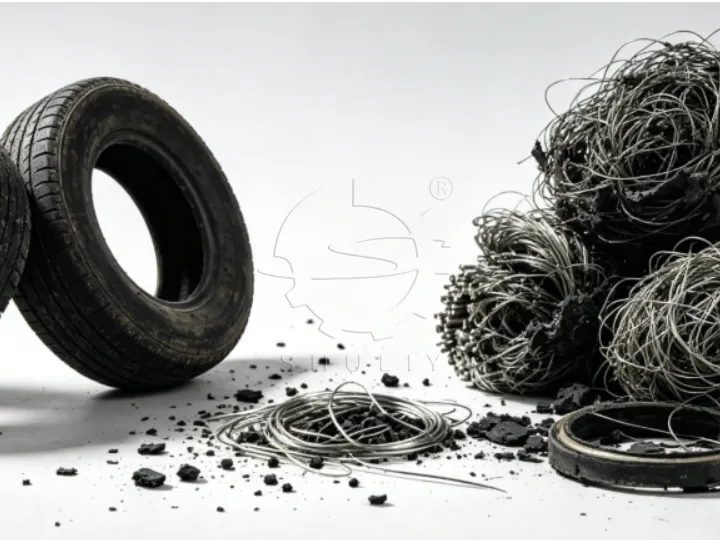
The tire bead is the reinforced inner edge of a tire that contains high-strength steel wire. Its purpose is to hold the tire firmly on the wheel rim, but during recycling it becomes the most difficult part to process.
Removing the bead wire before shredding offers several benefits:
- Reduces wear on shredders and cutting blades
- Improves processing efficiency
- Produces cleaner rubber material
- Allows the recovered steel to be recycled separately
For these reasons, tire bead wire removal is typically the first step in a modern tire recycling line.
How to Remove Tire Bead Wire?
There are two common methods depending on your production capacity and budget.
Method 1: Use a Tire Ring Cutter
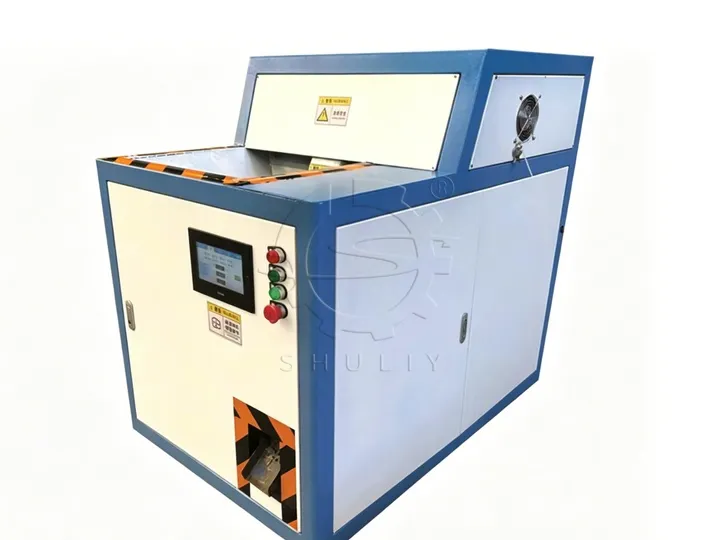
A tire ring cutter is a practical choice for small and medium recycling businesses.
Instead of extracting the steel directly, the machine cuts off both tire sidewalls that contain the bead wire. The remaining tire body can then move on to shredding, while the separated tire rings are processed later for steel recovery.
A tire ring cutter offers several advantages:
- Affordable investment
- Easy operation
- Suitable for passenger and most truck tires
- Higher efficiency than manual cutting
This method is ideal for startups or recycling plants with moderate production requirements.
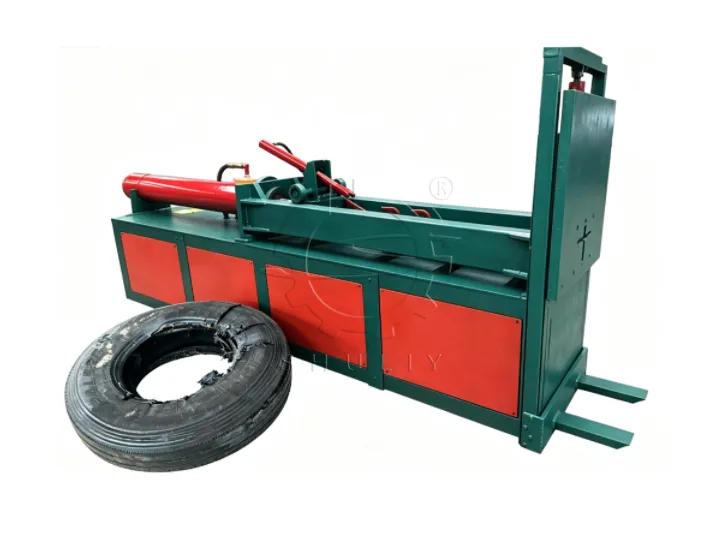
Method 2: Use a Tire Wire Drawing Machine
If you’re looking for the most efficient answer to how to remove tire bead wire, a tire wire drawing machine is the preferred solution.
Also known as a tire debeader machine or tire wire extractor, it uses a hydraulic pulling system to grip and extract the steel bead directly from the tire.
The process is simple:
- Place the tire on the machine.
- Position the hydraulic hook inside the bead.
- Start the hydraulic system.
- The hook pulls the entire steel bead out of the tire.
- Send the tire to the next recycling process.
Compared with cutting off the tire rings, this method removes the steel completely before shredding, helping downstream equipment work more efficiently while recovering cleaner scrap steel.
Which Tire Bead Removal Machine Is Right for You?
The best equipment depends on the type and size of tires you process.
Single Hook Tire Wire Drawing Machine
Designed for passenger car tires and small truck tires, this model is compact, economical, and suitable for small recycling plants.
Double Hook Tire Debeader Machine
Using two hydraulic hooks simultaneously, this machine processes truck and bus tires more quickly and provides higher productivity for continuous production.
OTR Tire Wire Drawing Machine
OTR tires contain much thicker bead wire than standard vehicle tires. A heavy-duty OTR tire wire drawing machine is specially designed for mining and construction tires ranging from approximately 1400 mm to 4000 mm in diameter.
What Happens After Tire Bead Wire Removal?
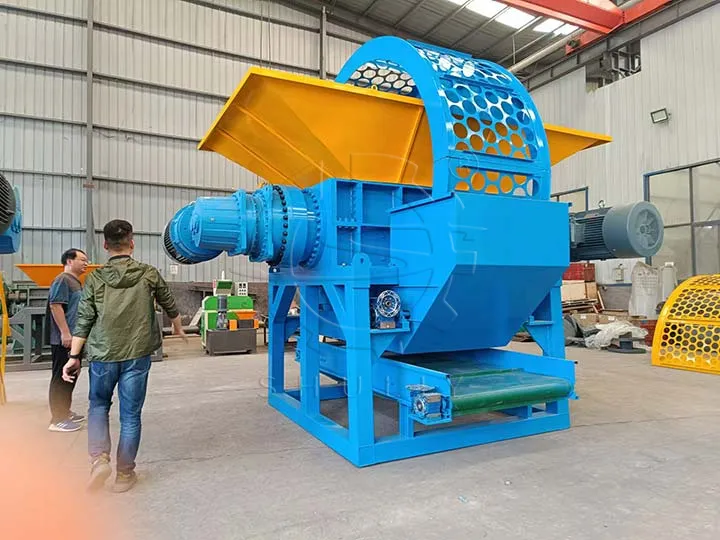
Once you’ve completed tire bead wire removal, the remaining recycling process becomes much more efficient.
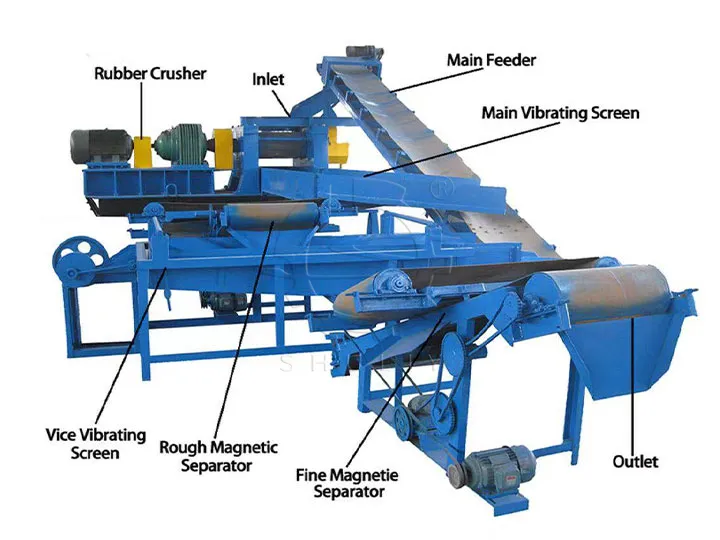
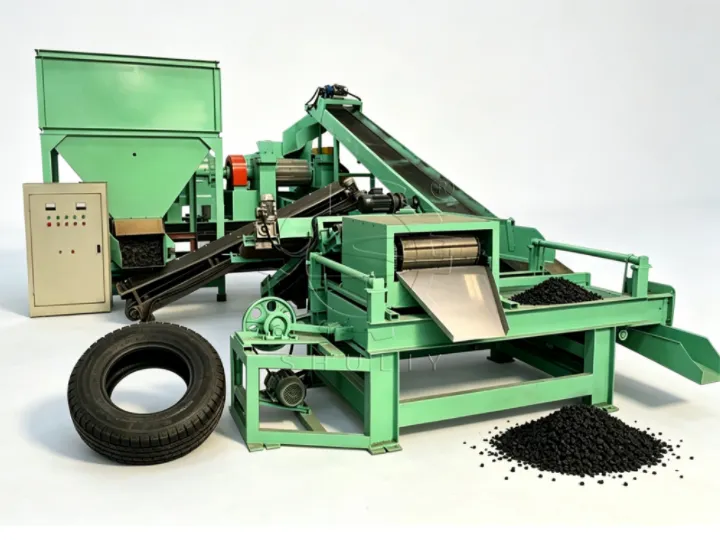
A typical tire recycling line includes:
- Tire bead wire removal
- Tire cutting
- Tire shredding
- Rubber granulation
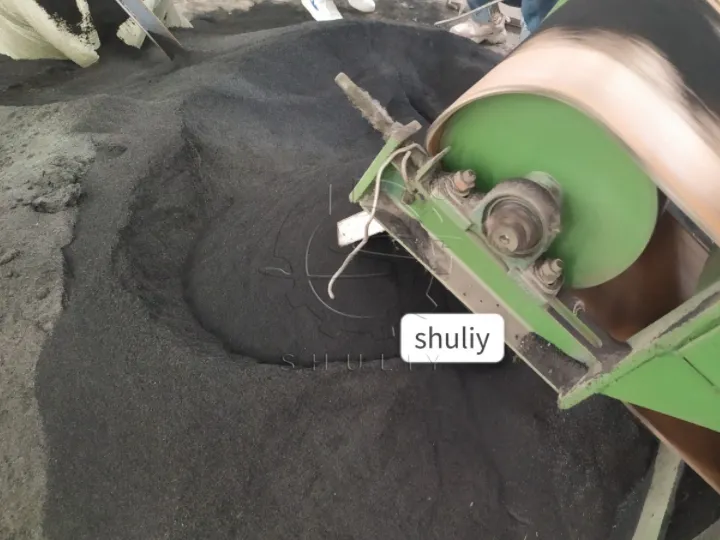
- Separate steel & fiber from rubber crumb
Removing the steel bead wire first helps protect downstream equipment and ensures smoother operation throughout the recycling process.
Frequently Asked Questions
Can I shred tires without removing the bead wire?
Some heavy-duty shredders can process whole tires, but doing so usually increases blade wear, energy consumption, and maintenance costs. Most commercial recycling plants remove the bead first to improve equipment life and processing efficiency.
Can the extracted steel wire be recycled?
Yes. The recovered bead wire is valuable scrap steel that can be sold separately, providing an additional source of income for recyclers.
Which machine should I choose?
If you’re starting a small recycling business, a tire ring cutter is an economical entry-level solution. If your goal is higher capacity, cleaner steel recovery, and better protection for downstream equipment, investing in a tire wire drawing machine is generally the more efficient long-term option.
Final Thoughts
Understanding how to remove tire bead wire is essential for building an efficient tire recycling process. The right method depends on your production capacity, budget, and the types of tires you handle.
For smaller operations, a tire ring cutter offers a practical way to prepare tires for further processing. As production grows, many recycling plants upgrade to a hydraulic tire wire drawing machine, which extracts the bead wire directly, improves overall recycling efficiency, and prepares tires for the next stage with minimal additional handling.
Choosing the appropriate equipment at the beginning can help reduce operating costs, improve equipment reliability, and create a smoother recycling workflow as your business expands.