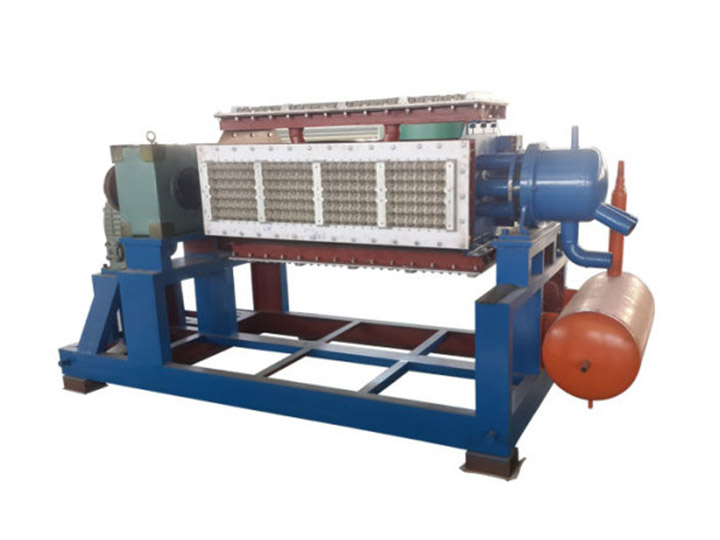
Starting an egg tray business is a fantastic venture into the world of sustainable manufacturing. It promises high returns by converting low-cost waste paper into essential products. However, the success of your entire operation hinges on one crucial decision: choosing the right egg tray molding machine.
Making the wrong choice can lead to production bottlenecks, high operating costs, and missed opportunities. To help you invest wisely, we’ve compiled a list of five critical questions you must ask yourself before contacting any supplier.
1. “What is My Realistic Daily Production Target?”
This is the most fundamental question. Don’t just pick a number; think strategically.
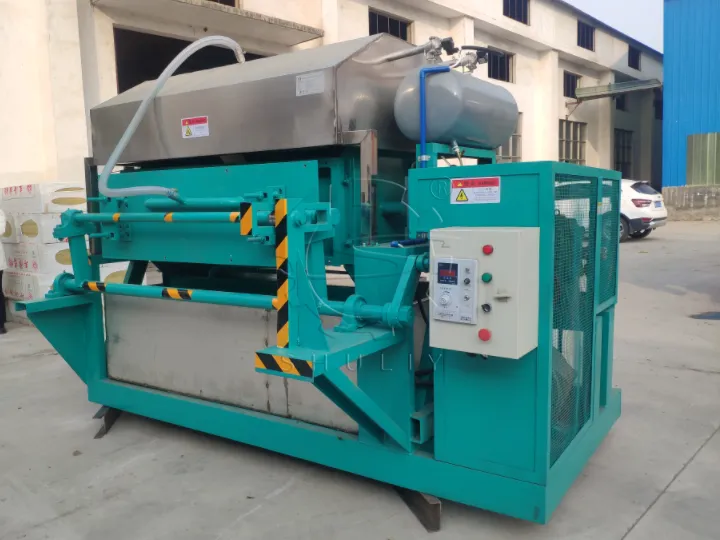
- Small-Scale (1,000-1,500 pcs/hr): Are you a poultry farmer looking to package your own eggs, or a small startup testing the local market? A smaller, single-sided egg tray forming machine offers a low initial investment and operational flexibility.
- Medium-Scale (2,500-3,000 pcs/hr): Do you have contracts with several local farms or distributors? A semi-automatic, four-sided machine provides a balance of output and cost, perfect for a growing business.
- Large-Scale (4,000-7,000+ pcs/hr): Are you aiming to be a major regional supplier? A fully automatic, rotary egg tray molding machine is necessary for industrial-scale production and achieving the lowest cost per tray.
Key takeaway: Your capacity needs determine the machine’s model, size, and level of automation. Be realistic about your market size to avoid over-investing or being unable to meet demand.
2. “How Will I Dry the Wet Trays Efficiently?”
A common mistake beginners make is underestimating the importance of the drying process. The pulp molding process creates wet trays that need to be dried properly to gain strength. You have two main options:
- Natural Drying (Sun-drying):
- Pros: Zero energy cost.
- Cons: Requires significant space, is weather-dependent, and is only suitable for small capacities (<2,000 pcs/hr). Not feasible in humid or cold climates.
- Automated Drying (Brick or Metal Drying Line):
- Pros: Fast, consistent, and allows for continuous 24/7 production regardless of the weather. Essential for medium to large-scale operations.
- Cons: Higher initial investment in equipment and energy consumption.
Key takeaway: Your choice of egg tray drying method directly impacts your egg tray production line’s efficiency and consistency. Factor this into your initial budget and facility planning.
3. “What Determines the Quality of the Final Egg Tray?”
The machine itself is only part of the equation. The quality of your final product is heavily influenced by the molds.
Ask your potential supplier about their molds:
- Material: Are they made of durable, water-resistant stainless steel or cheaper, less durable plastic? High-quality molds last longer and produce cleaner trays.
- Customization: Can they design molds for different egg sizes (chicken, duck, quail), or for other products like fruit trays or cup holders? A versatile egg tray molding machine opens up more business opportunities.
- Precision: A well-machined mold ensures uniform thickness and smooth edges, which is crucial for product appeal and protection.
4. “Where Will My Raw Materials Come From?”
Your primary raw material is waste paper. Do you have a stable, low-cost supply of old newspapers, cardboard, or office paper? The type and quality of paper will affect the pulping system you need. A robust pulping system integrated with your egg tray molding machine is vital for creating a clean, consistent pulp, which is the foundation of a good egg tray.
5. “What Kind of Support Can I Expect After the Purchase?”
An egg tray machine supplier should be a long-term partner, not just a one-time seller. Before you commit, ask about:
- Technical Guidance: Do they help with factory layout design and foundation drawings?
- Installation & Training: Do they offer on-site installation and operator training?
- After-Sales Service: What is their warranty policy? How quickly can they supply spare parts like molds and pumps?
- Proven Experience: Can they show you successful case studies from clients in your region?
Your Next Step
Answering these five questions will give you a clear roadmap for your project. You’ll be able to approach suppliers with confidence, knowing exactly what you need to build a successful and profitable egg tray business.
If you’re ready to discuss your answers and explore specific solutions, our team of experts is here to help you plan every step of the way.