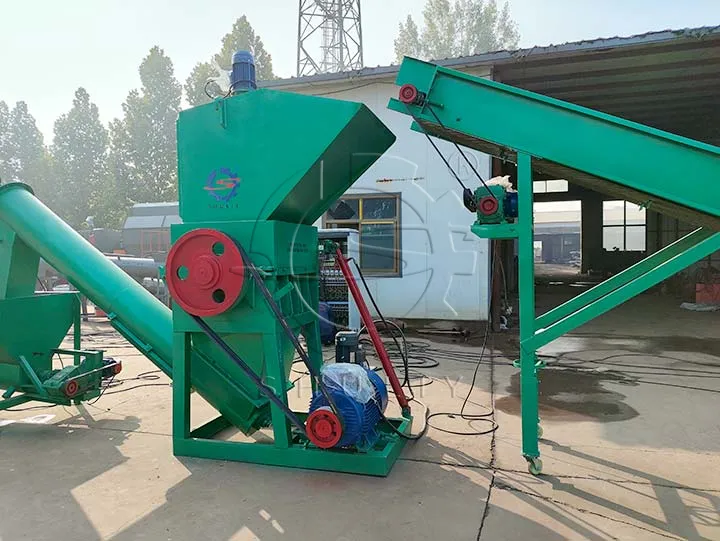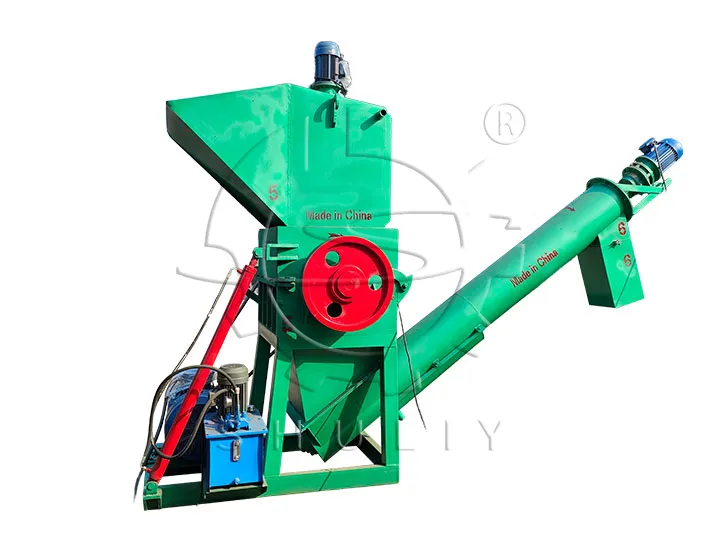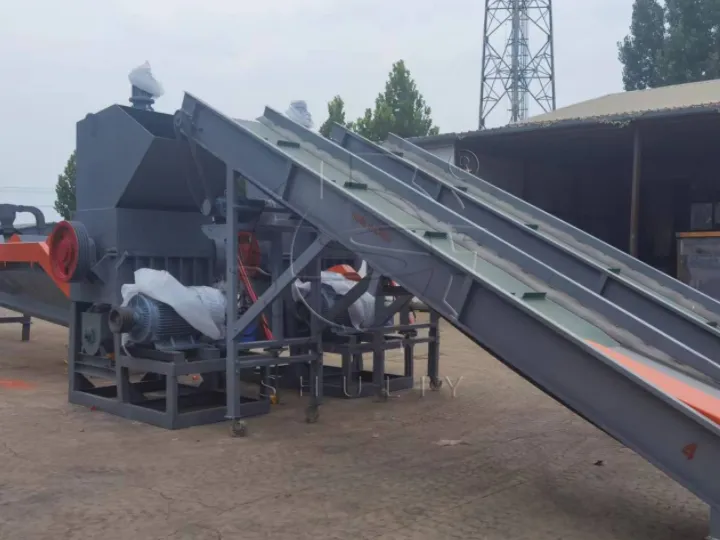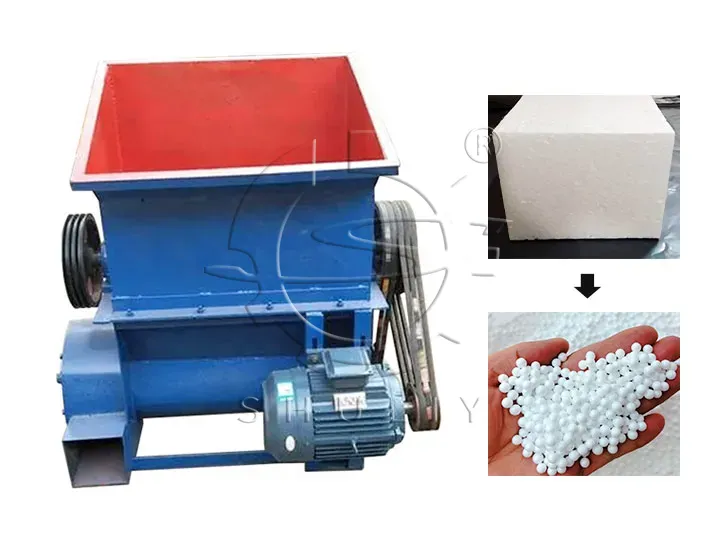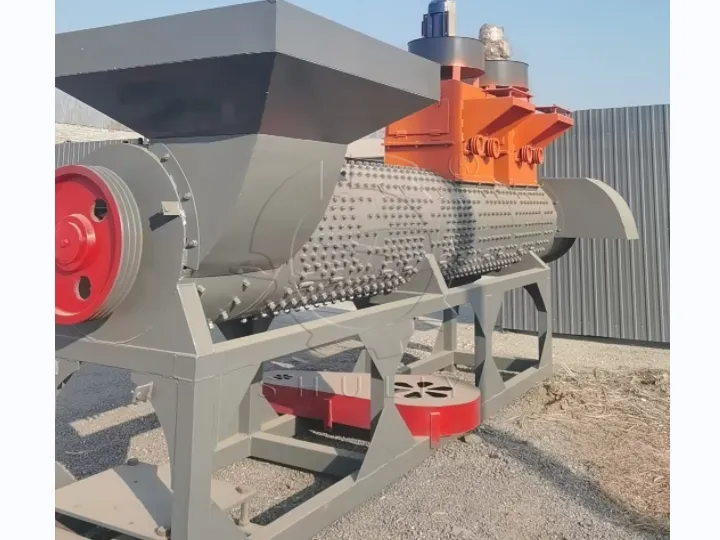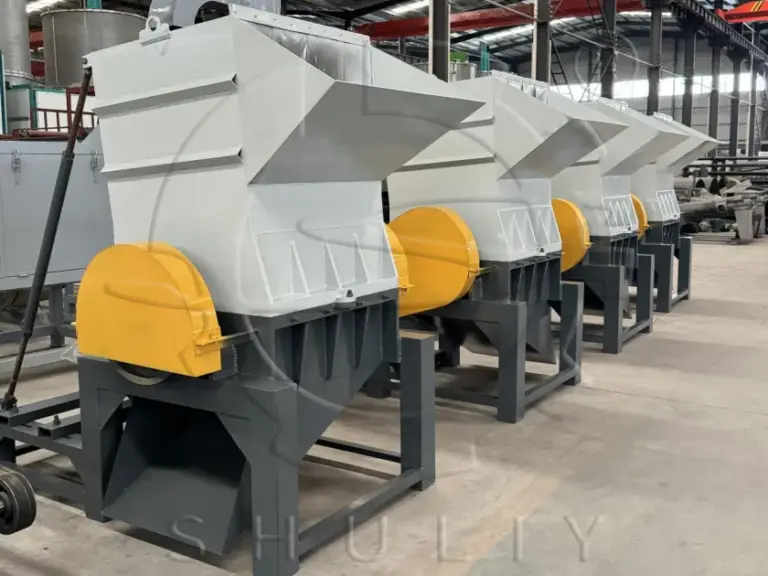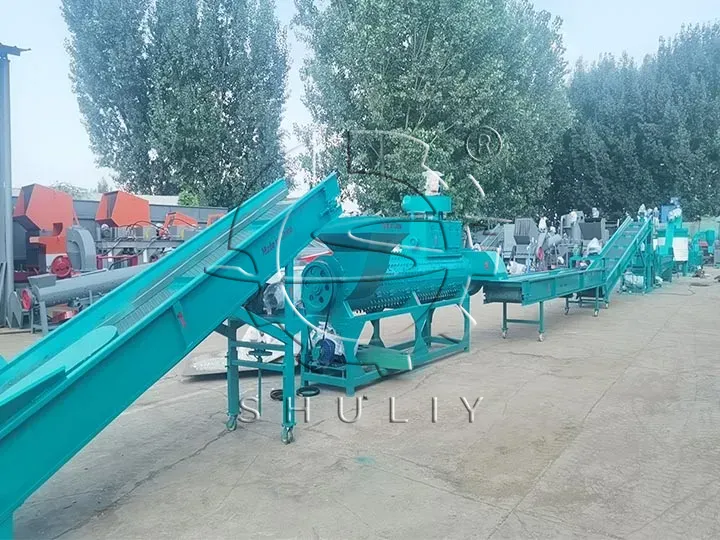
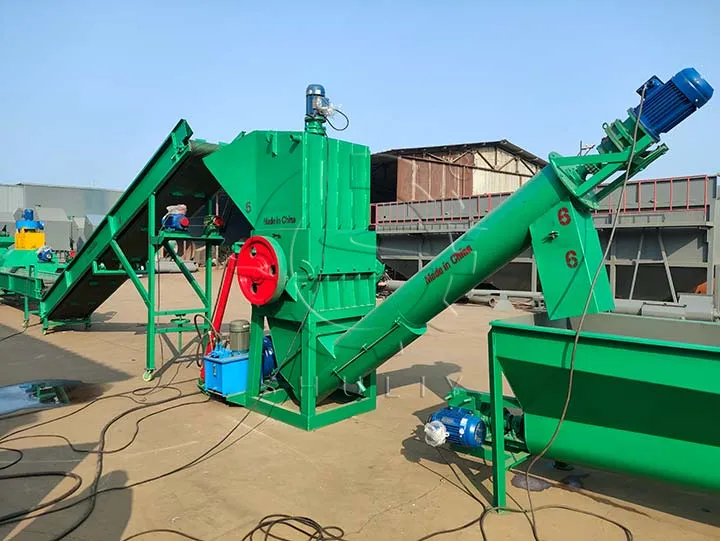
Matengenezo ya kawaida yanatoa tofauti kati ya vifaa vinavyofanya kazi kwa uaminifu kwa miaka mingi na mashine zinazoharibika kila mara. Matunzo sahihi ya mashine yako ya kusaga chupa za PET yanalinda uwekezaji wako, yanahifadhi uzalishaji, na yanapanua maisha ya uendeshaji. Mwongozo huu wa kina wa matengenezo ya mashine ya kusaga chupa za PET unashughulikia kila unachohitaji kujua kuhusu kuifanya vifaa vyako viendelee kufanya kazi kwa ufanisi.
Kwa nini Matengenezo ya Kawaida Yanahitajika kwa Mashine yako ya Kusaga PET
Mashine yako ya kusaga chupa za PET ina uwekezaji mkubwa katika biashara yako ya uboreshaji. Bila matengenezo sahihi, vifaa vya ubora vinavyoendelea kuharibika haraka, vinapunguza utendaji, vinatumia nishati zaidi, na hatimaye kusababisha uharibifu wa gharama kubwa. Jitahidi kidogo kwa matengenezo ya kawaida huzuia matatizo makubwa yanayovuruga shughuli zako.
Vifaa vinavyotunzwa vizuri vinafanya kazi kwa ufanisi zaidi. Visu safi, mikanda yenye tension sahihi, na bearings zilizo na mafuta vizuri vinachangia ufanisi wa juu. Ufanisi huu huambatana moja kwa moja na gharama za chini za uendeshaji na faida bora kwa biashara yako.
Zaidi ya hayo, matengenezo yanathiri ubora wa bidhaa. Mashine yenye sehemu zilizovunjika huzalisha bidhaa zisizo na utulivu ambazo huenda zisifanye viwango vya mteja. Kudumisha mashine yako ya kusaga chupa za PET katika hali nzuri kunahakikisha vipande vya ubora wa juu vinavyouzwa kwa bei nzuri sokoni.
Kazi za Matengenezo ya Kila Siku kwa Mashine ya Kusaga Chupa za PET
Matengenezo ya kila siku yanayojirudiwa ni msingi wa uaminifu wa vifaa. Ukaguzi huu wa haraka huchukua dakika chache lakini huzuia matatizo mengi ya kawaida kutokea.
Orodha ya Ukaguzi wa Macho
Kabla ya kuanza mashine yako ya kusaga chupa za PET kila siku, fanya ukaguzi wa kuona kwa kina. Angalia kwa ishara za uharibifu au kuvaa zinazoweza kuonyesha matatizo yanayojitokeza.
Angalia eneo la visu kupitia milango ya ukaguzi. Tazama kwa kuvaa kwa visu, kupasuka, au uharibifu unaoweza kuathiri utendaji wa kukata. Angalia kwa vitu vya kigeni vilivyowekwa ndani ya chumba cha kukata ambavyo vinaweza kusababisha matatizo wakati wa uendeshaji.
Angalia muundo wa mashine na sehemu za kuunganisha kwa nyufa au uharibifu unaoonekana. Tazama kwa bolt au vifungo vilivyovunjika au vilivyovunjika wakati wa uendeshaji wa awali. Hakikisha viambatanisho vyote vya usalama na vifuniko vimefungwa vizuri kabla ya kuanzisha mashine.
Angalia uunganisho wa umeme na viashiria vya paneli ya kudhibiti. Tazama kwa ishara za joto kupita kiasi, uharibifu, au uunganisho usio imara. Hakikisha vitufe vyote vya kusitisha dharura vinapatikana na vinafanya kazi.
Mchakato wa Kusafisha Baada ya Kila Zamu
Usafi sahihi huzuia kujilimbikiza kwa nyenzo zinazoharibu uendeshaji. Tengeneza ratiba ya usafi wa kawaida inayolingana na ratiba yako ya uzalishaji na uifuate kwa uthabiti.
Baada ya kila zamu ya uzalishaji, safisha nyenzo zilizokusanywa ndani ya chumba cha kukata na maeneo ya kutoa. Tumia zana zinazofaa kuondoa nyenzo zilizobana bila kuharibu visu. Kazi rahisi kama kutumia kisu cha plastiki au scraper hufanya kazi vizuri kwa hili.
Safisha mesh ya skrini ili kuzuia kujilimbikiza kwa nyenzo zinazopunguza utiririshaji na kuumiza injini. Tia kwa upole ili kuondoa nyenzo zilizolimbikiza, au zitoa na uisafishe kwa kina ikiwa kujilimbikiza ni kubwa. Skrini safi huhakikisha mtiririko wa nyenzo unaoendelea na ubora wa bidhaa unaoendelea.
Safisha sehemu za nje ili kuondoa vumbi na uchafu. Hii si tu inafanya vifaa kuonekana vya kitaalamu bali pia huwezesha kugundua matatizo yanayojitokeza wakati wa ukaguzi wa kila siku. Vifaa safi pia huendesha baridi zaidi kwani vumbi na uchafu vinaweza kuzuia joto la injini na kusababisha joto kupita kiasi.
Ukaguzi wa Kazi Kabla ya Kuanza
Kabla ya kuwasha mashine yako ya kusaga chupa za PET, fanya ukaguzi wa haraka wa uendeshaji kuhakikisha kila kitu kiko tayari kwa uendeshaji salama.
Thibitisha kuwa milango yote ya ukaguzi na viambatanisho vya usalama vimefungwa na kusimama vizuri. Mashine haipaswi kuendeshwa ikiwa na sehemu za ufikiaji wazi, kwani hii ni hatari kubwa ya usalama.
Angalia kuwa hopper ya nyenzo iko wazi kwa vitu vya kigeni au uchafu uliokusanywa kutoka kwa uendeshaji wa awali. Hakikisha eneo la kutoa lina wazi na lipo tayari kupokea nyenzo zilizochakatwa.
Lainisha sehemu zozote za lubrication za mikono kulingana na mapendekezo ya mtengenezaji. Mashine nyingi za kusaga chupa za PET zina mifumo ya lubrication ya moja kwa moja, lakini baadhi ya sehemu zinaweza kuhitaji umakini wa mikono. Rejea kwa mwongozo wa vifaa vyako kwa mahitaji mahususi.
Ratiba ya Matengenezo ya Wiki na Mwezi kwa Mashine ya Kusaga Chupa za PET
Zaidi ya huduma ya kila siku, matengenezo ya ratiba ya kawaida yanashughulikia vipengele vinavyovaa kwa muda na vinahitaji umakini wa mara kwa mara.
Ukaguzi wa visu na Kusafisha Visu
Hali ya visu huathiri moja kwa moja utendaji wa kukata na matumizi ya nishati. Visu vilivyovunjika vinahitaji nguvu zaidi kufanikisha utiririshaji sawa, kuongeza gharama za uendeshaji kwa kiasi kikubwa.
Angalia visu kila wiki kwa ishara za kuvaa, kupasuka, au uharibifu. Hata visu bora huisha kwa urahisi kwa matumizi, hasa wakati wa kusindika kiasi kikubwa cha chupa za PET. Tazama kwa pembe za kukata zilizozunguka ambazo zinaashiria ni wakati wa kusafisha au kubadilisha.
Kusafisha kunahusisha kuondoa kiasi kidogo cha nyenzo ili kurejesha muundo wa ukanda wa kukata. Huduma za kitaalamu za kusafisha zina vifaa na utaalamu wa kurejesha visu kwa usahihi bila kuharibu muundo wao wa joto. Baadhi ya mashirika hufanya kusafisha ndani ikiwa na vifaa na mafunzo yanayofaa.
Wakati visu haviwezi kusafishwa kwa ufanisi kutokana na kuvaa kupita kiasi au uharibifu, ubadilishaji unahitajika. Hifadhi visu za kubadilisha ili kupunguza muda wa kusimamishwa wakati wa ubadilishaji. Panga ubadilishaji wa visu wakati wa matengenezo ya ratiba badala ya kusubiri uharibifu wa dharura.
Tension ya Mikanda na Ukaguzi wa Bearings
Mikanda ya kuendesha hubeba nguvu kutoka kwa injini hadi kwa mkusanyiko wa visu. Tension sahihi huhakikisha uhamishaji wa nguvu kwa ufanisi huku ikizuia kuvaa mapema kwa mikanda au uharibifu wa bearing.
Angalia tension ya mikanda kila wiki kwa kubonyeza katikati ya mikanda kati ya pulleys. Inapaswa kuwa na upenyo mdogo lakini si kuwa mzito sana. Rejea kwa specifications za mtengenezaji kwa thamani sahihi za tension. Rekebisha tension kama inahitajika kwa kutumia vifungo vya kuunganisha vya motor.
Angalia mikanda kwa ishara za kuvaa, kupasuka, au uharibifu. Badilisha mikanda inayoonyesha kuvaa kwa kiasi kikubwa kabla ya kuvunjika wakati wa uendeshaji. Uvunjaji wa mikanda husababisha muda usiotarajiwa wa kusimamishwa na unaweza kuharibu vipengele vingine.
Angalia ufanisi wa bearings kwa ishara za joto kupita kiasi au uharibifu. Hisia kwa sehemu za bearing kwa joto kupita kiasi kunaashiria matatizo ya bearing. Sikiliza sauti zisizo za kawaida za bearing wakati wa uendeshaji ambazo zinaweza kuashiria matatizo yanayojitokeza. Kuweka matatizo ya bearing mapema huzuia uharibifu mkubwa.
Miongozo ya Badiliko la Mesh ya Skrini
Mesh ya skrini huamua ukubwa wa chembe zinazotoka na hupata kuvaa kwa kiasi kikubwa wakati wa uendeshaji. Ukaguzi wa kawaida na ubadilishaji huzuia matatizo ya uzalishaji mkubwa au kupungua kwa utiririshaji.
Angalia hali ya skrini kila wiki, kwa kuangalia mashimo, kuvunjika, au mwelekeo mkubwa wa kuvaa. Uharibifu mdogo unaweza kuruhusu nyenzo kubwa kupita, kuathiri ubora wa bidhaa. Angalia viambatanisho vya skrini kuhakikisha vinaushikilia skrini kwa usalama.
Mipango ya kubadilisha skrini hutofautiana kulingana na ukali wa nyenzo na masaa ya uendeshaji. Operesheni za kiwango kikubwa zinaweza kuhitaji ubadilishaji wa mara kwa mara. Hifadhi skrini za kubadilisha ili kupunguza muda wa kusimamishwa wakati wa mabadiliko.
Wakati wa kubadilisha skrini, hakikisha skrini mpya inakidhi specifications za awali kwa ukubwa sahihi wa chembe. Kuweka skrini isiyo sahihi huathiri usindikaji wa baada na ubora wa bidhaa.
Matatizo ya kawaida na Suluhisho za Utatuzi
Kuelewa matatizo ya kawaida na suluhisho zake kunakusaidia kushughulikia matatizo kwa haraka na kupunguza muda wa kusimamishwa kwa mashine.
Dalili za Kuvunjika kwa Visu na Ubadilishaji
Viashiria kadhaa vinaonyesha visu vinahitaji umakini. Utiririshaji mdogo licha ya kiwango cha kawaida cha kuingiza mara nyingi huashiria visu vilivyovunjika. Injini inaweza kujaribu zaidi kuliko kawaida, na unaweza kugundua kuongezeka kwa vibration wakati wa uendeshaji.
Kelele kupita kiasi wakati wa shughuli za kukata pia kunaashiria matatizo ya visu. Visu vilivyovunjika huunda upinzani zaidi, na kusababisha sauti za kusaga au kuvunjika badala ya kukata safi. Angalia visu vinavyoonekana moja kwa moja ili kuthibitisha hali yake.
Wakati visu zinaonyesha kuvaa kwa kiasi kikubwa au uharibifu licha ya jaribio la kusafisha, ubadilishaji unahitajika. Kuendesha na visu vilivyovunjika sana kunaweza kuharibu sehemu za visu na chumba cha kukata, na kusababisha matengenezo ghali zaidi.
Sauti zisizo za kawaida na Vibration
Sauti zisizo za kawaida daima zinahitaji uchunguzi. Sauti za kelele mara nyingi zinaashiria vipengele vilivyovunjika vinavyohitaji kufungwa. Sauti za kusaga zinaonyesha matatizo ya bearing au uhusiano wa visu na vitu vya kigeni.
Vibration kupita kiasi mara nyingi husababishwa na mikanda isiyo na usawa, iwe kwa sababu ya kuvaa usio sawa au uharibifu wa visu moja katika seti. Angalia hali ya visu mara moja wakati vibration inapoongezeka. Kuendelea kuendesha mashine inayotetemeka kunaweza kusababisha uharibifu zaidi.
Ikiwa sauti zisizo za kawaida zinaendelea baada ya ukaguzi wa msingi, zima vifaa na fanya ukaguzi wa kina zaidi. Kuendelea na uendeshaji kunaweza kusababisha uharibifu mkubwa zaidi na matengenezo ghali.
Matatizo ya Kupungua kwa Uzalishaji
Wakati mashine yako ya kusaga chupa za PET ikishindwa kufikia kiwango cha kawaida cha utiririshaji, mambo kadhaa yanaweza kusababisha. Angalia kwa uchafuzi wa skrini unaozuia mtiririko wa nyenzo. Angalia hali ya visu ili kuhakikisha ufanisi wa kukata. Tazama kwa kujilimbikiza kwa nyenzo ndani ya chumba cha kukata ambacho hupunguza nafasi ya kazi.
Matatizo ya injini pia yanaweza kuathiri uwezo. Angalia utendaji wa injini na usambazaji wa umeme. Hakikisha injini inapata voltage na sasa sahihi wakati wa uendeshaji. Injini zilizobeba mzigo mwingi haziwezi kutoa nguvu kamili.
Matatizo ya mfumo wa kuendesha pia yanathiri uwezo. Angalia hali ya mikanda na tension. Tazama kwa slippage inayotumia nguvu kabla haijafikia mkusanyiko wa visu.
Mawazo ya Kupanua Huduma ya Mashine ya Kusaga PET
Zaidi ya matengenezo ya kawaida, mazoea kadhaa husaidia kuongeza maisha ya vifaa.
Fanya kazi vifaa ndani ya uwezo wa muundo. Uendeshaji wa mara kwa mara kwa kiwango cha juu au zaidi ya kiwango cha juu huongeza mzigo kwa vipengele na kuharakisha kuvaa. Wakati mahitaji yanazidi uwezo wa mashine moja, kuongeza vifaa ni chaguo bora kuliko kuendesha vifaa vya sasa kwa nguvu zaidi.
Tumia sehemu za ubora wa hali ya juu. Ingawa chaguzi za bei nafuu zinaweza kuonekana kuwa za kuvutia, mara nyingi hugharimu zaidi kwa muda mrefu kwa sababu ya maisha ya huduma duni na uharibifu wa vipengele vingine. Sehemu za ubora kutoka kwa wasambazaji wa kuaminika zinahifadhi uwekezaji wako.
Wafundishe wafanyakazi kwa usahihi. Wafanyakazi wenye ujuzi huwatambua matatizo mapema na kufanya matengenezo ya msingi kwa usahihi. Uwekezaji katika mafunzo ya wafanyakazi huleta faida kwa kupunguza muda wa kusimamishwa na gharama za matengenezo.
Huduma ya kitaalamu na Wakati wa Kupiga Simu kwa Msaada
Wakati wafanyakazi wanaweza kushughulikia kazi nyingi za matengenezo, baadhi ya hali zinahitaji umakini wa kitaalamu.
Matengenezo magumu yanayohusisha injini, gearbox, au mifumo ya umeme kwa kawaida yanahitaji mafundi waliofunzwa. Kujaribu matengenezo magumu bila utaalamu wa kutosha kunaweza kusababisha uharibifu zaidi. Weka uhusiano na watoa huduma waliohitimu kabla ya dharura kutokea.
Ukaguzi wa kitaalamu wa kila mwaka huonyesha matatizo yanayojitokeza kabla ya kusababisha uharibifu. Masuala mengi yanayosababisha matengenezo makubwa huanza kama matatizo madogo ambayo yangeweza kushughulikiwa kwa urahisi ikiwa yamekamatwa mapema.
Huduma ya kitaalamu ya kawaida pia huendeleza udhamini wa vifaa vipya. Kufuata ratiba za huduma zinazopendekezwa na mtengenezaji huhifadhi haki zako za udhamini.
Tunaelewa kuwa kudumisha mashine yako ya kusaga chupa za PET kwa usahihi kunalinda uwekezaji wako wa biashara. Timu yetu hutoa msaada wa kina ikiwa ni pamoja na mwongozo wa matengenezo, sehemu za kubadilisha, na msaada wa kiufundi. Wasiliana nasi leo kwa msaada kuhusu kila kipengele cha matengenezo au uendeshaji wa mashine ya kusaga chupa za PET.