Understanding how a PET bottle shredder works helps you pick the right equipment for your recycling business. These machines turn waste PET bottles into small pieces ready for melting and remolding. Whether you run a small recycling center or manage a large-scale塑料回收 operation, knowing the ins and outs of your equipment helps you make smarter business decisions.
The Complete Working Process
A PET bottle shredder uses high-speed rotating blades to cut and crush plastic bottles. The process has three main stages that happen continuously during operation.
Stage One: Feeding
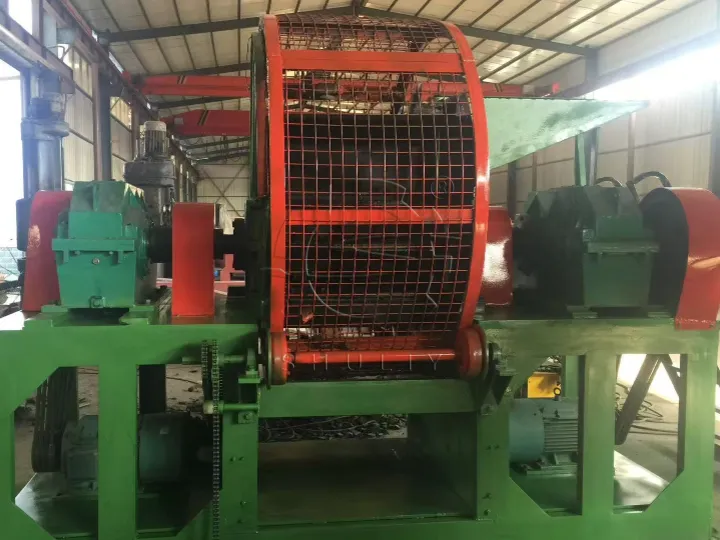
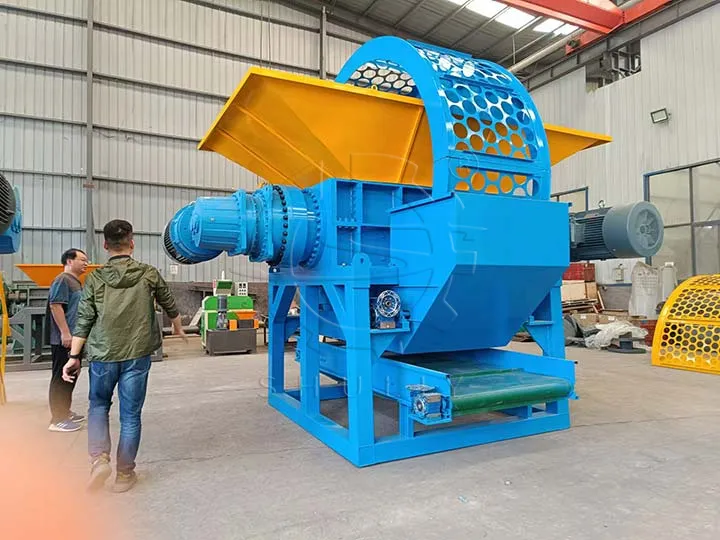
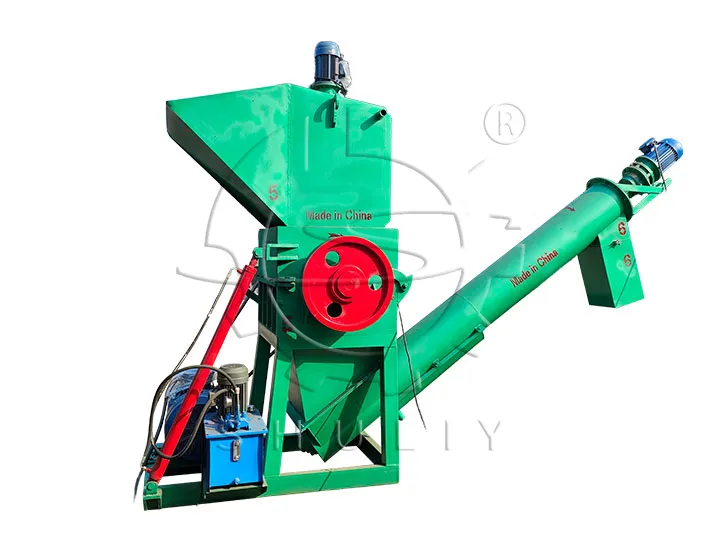
First, PET bottles enter through the hopper at the top of the machine. The hopper design creates a natural pull, guiding bottles toward the cutting chamber. Operators can feed bottles manually or use conveyor systems for higher throughput. Most industrial PET bottle crusher units handle both whole bottles and pre-sorted bundles efficiently.
The feeding mechanism matters more than many realize. A well-designed hopper prevents bridging and ensures consistent material flow. This directly impacts how smoothly your production line runs day after day.
Stage Two: Cutting and Crushing
Once inside the cutting chamber, rotating blades take over. The blades spin at high speeds, typically between 400 to 600 RPM depending on the model. The spinning action creates centrifugal force that moves material through while the sharp edges slice through plastic.
This is where the real size reduction happens. The blade configuration determines whether you get uniform flakes or varied pieces. Modern PET bottle shredder machines use counter-rotating blade sets that work like industrial scissors. One set holds the material while the other cuts, ensuring clean cuts without excessive force.
The cutting chamber design prevents material from simply spinning in place. Strategic spacing and blade angles push material deeper into the cutting zone with each rotation. This continuous action processes hundreds of kilograms per hour, far faster than any manual method could achieve.
Stage Three: Screening and Discharge
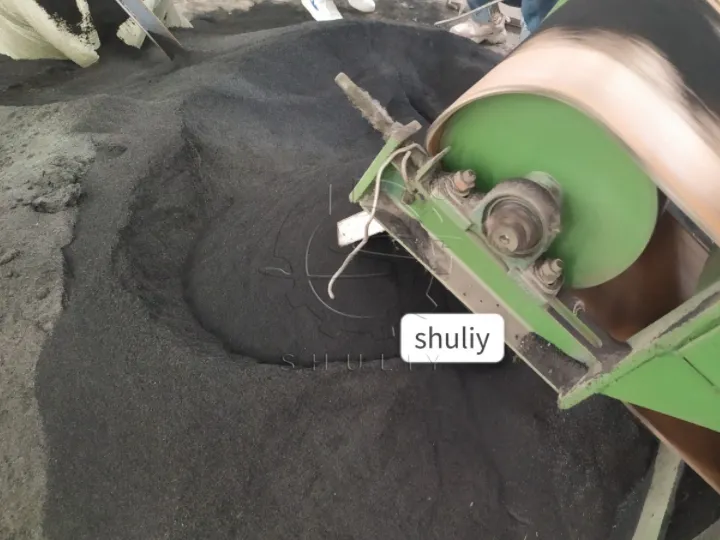
After cutting, material falls toward the bottom of the chamber. A screen with precisely sized holes controls what exits as finished product. Only pieces small enough to pass through the screen emerge as usable flakes.
Larger pieces continue being cut until they pass through. This self-regulating system ensures consistent output size without manual sorting. Operators can change screens to produce different specifications, from fine 10mm flakes to larger 30mm chunks.
Key Components Explained
The cutting chamber forms the heart of any PET bottle crusher. Manufacturers use thick, wear-resistant steel to withstand continuous operation. Chamber walls typically measure 16mm to 30mm thick depending on capacity. This robust construction handles the stress of daily use without warping or premature wear.
Blade Technology
The blades deserve special attention as the most critical component. Quality PET bottle shredder blades use heat-treated alloy steel that maintains sharpness for thousands of operating hours. Most machines employ 8 to 12 blades in alternating patterns.
Blade maintenance determines long-term performance more than any other factor. Regular inspection catches wear before it causes problems. Many operators keep spare blade sets on hand for quick changes during scheduled maintenance windows.
Screen Selection
The screen controls your final product size. Standard openings range from 8mm to 40mm. Smaller screens produce finer output but reduce throughput. The right choice depends on your downstream requirements.
Washing facilities typically prefer 12mm to 20mm flakes that flow easily through cleaning systems. Extrusion operations might request larger 25mm to 30mm pieces. Understanding your buyer’s needs helps you set up the machine correctly.
Motor Specifications
Motor power drives everything else. Small entry-level units use 15kW to 22kW motors suitable for basic operations. Mid-range PET bottle crusher models run on 37kW to 55kW, handling serious volume. Large industrial machines need 75kW to 90kW for continuous high-capacity processing.
Bigger motors process faster but consume more electricity. The key is matching motor size to your actual throughput needs. An oversized machine wastes money on energy costs. An undersized machine creates bottlenecks that limit your production.
Real-World Applications
A PET bottle shredder serves many roles beyond simple size reduction. The machines form essential links in plastic recycling supply chains worldwide.
In recycling plants, these crushers prepare bottles for thorough washing. Uniform flakes clean more efficiently than whole bottles or irregular pieces. The increased surface area helps washing chemicals reach all surfaces.
Manufacturing facilities use shredded PET as raw material. The flakes melt at lower temperatures than virgin plastic, saving energy. Many textile companies use recycled PET fibers to create new products.
Why the Working Principle Matters
Knowing how a PET bottle shredder works helps you buy smarter. You can evaluate blade quality, motor specifications, and capacity ratings with confidence. Understanding the process also helps you maintain equipment properly.
A well-maintained PET bottle crusher delivers consistent output for years. Neglected machines develop problems that cost far more to fix than proper care would have prevented.
Choosing the Right Machine
Consider your actual needs before purchasing. Small businesses starting in recycling benefit from 500kg/h to 800kg/h units. Growing operations might target 1000kg/h to 1500kg/h capacity. Large recycling centers require 2000kg/h to 3000kg/h industrial systems.
Think about what happens after crushing too. Your downstream equipment determines ideal output size. A crusher producing perfect flakes that your washing line cannot handle wastes money.
We build PET bottle shredder machines for every scale of operation. Our team helps you match equipment to your specific situation. Check our PET bottle crushing machine for detailed specifications. We offer models from 500kg/h to 3000kg/h with quality components backed by reliable after-sales support.