What are PET Materials?
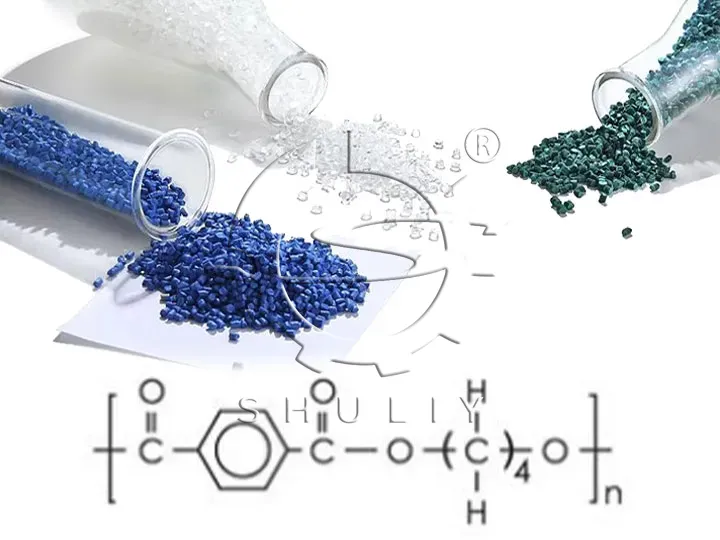
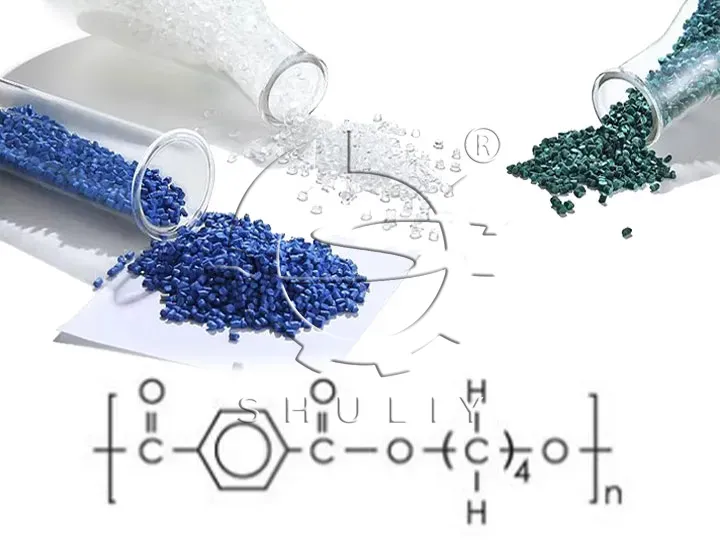
PET materials stand for polyethylene terephthalate, which is a white or light yellow, highly crystalline polymer with a smooth and shiny surface. It is a common resin found in everyday life.
PET is one of the most widely used thermoplastic polymers in the world. It belongs to the polyester family and is known for its excellent mechanical properties, chemical resistance, and transparency. PET is commonly used in food and beverage packaging, textile fibers, and various industrial applications.
Physical Characteristics
- Durable: PET materials have good strength and toughness and can be used to make high-strength packaging materials.
- Chemical resistance: It has the feature of being resistant to chemicals, which can be used to make packaging for food and chemicals.
- Transparency: PET materials have good transparency and can be used as a substitute for glass in transparent packaging.
- Recyclability: PET has excellent recyclability, which allows it to be recycled multiple times, reducing waste of resources.
- Lightweight: PET containers are significantly lighter than glass, reducing transportation costs and carbon emissions.
Main Application
- Because of its safety and transparency features, it is widely used in food packaging, beverage bottles, etc.
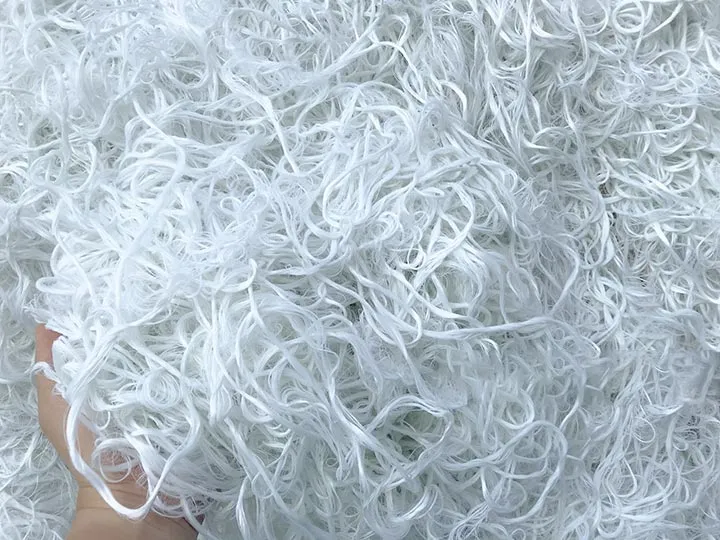
- As an important raw material for polyester fibers, it can be used to make textiles, clothing, and home textile products.
- The characteristics of heat-resistant and impact-resistant can be used to make the shells of electronic products.
- Used in 3D printing filaments for industrial and consumer applications.
Sustainable Development
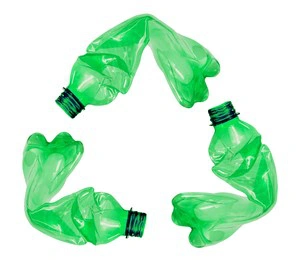
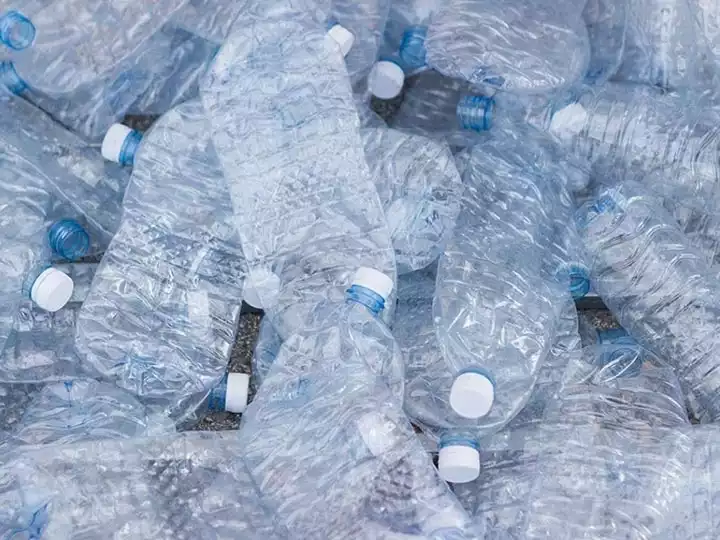
Building a green, sustainable plastic recycling system is a goal that many governments are working towards. As one of the most easily recycled plastics, PET materials have been recycled reaching 50% in some countries. PET recycling plays an important role in paving the way towards a greener future due to its wide range of applications and excellent recyclability.
- Diversified Applications: By improving its properties through methods such as reinforcement, filling, and blending, recycled PET can be widely used in textile and packaging materials, extending the life cycle of PET materials and reducing resource waste.
- Reduce Environmental Pollution: Plastic is not easily biodegradable. By effectively recycling and utilizing PET materials, it is possible to significantly reduce the amount of plastic waste entering the natural environment.
- Promote a Circular Economy: Creating a circular economy that involves production, use, recycling, and re-production can help businesses reduce costs and improve resource utilization.
- Energy Savings: Recycling PET requires significantly less energy compared to producing virgin PET, reducing overall carbon footprint.
Solution:
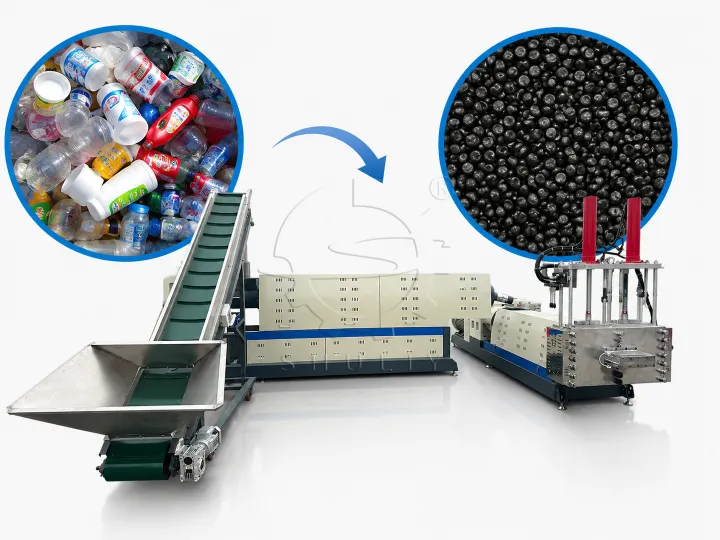
Recommend Shuliy PET recycling lines, which are known for their high quality. Our equipment includes PET bottle crushers, PET washing lines, and pelletizers for complete recycling solutions.
If you want to learn more about PET recycling, please feel free to contact us by clicking on the link at the bottom right. Our team can provide comprehensive solutions tailored to your specific recycling needs.