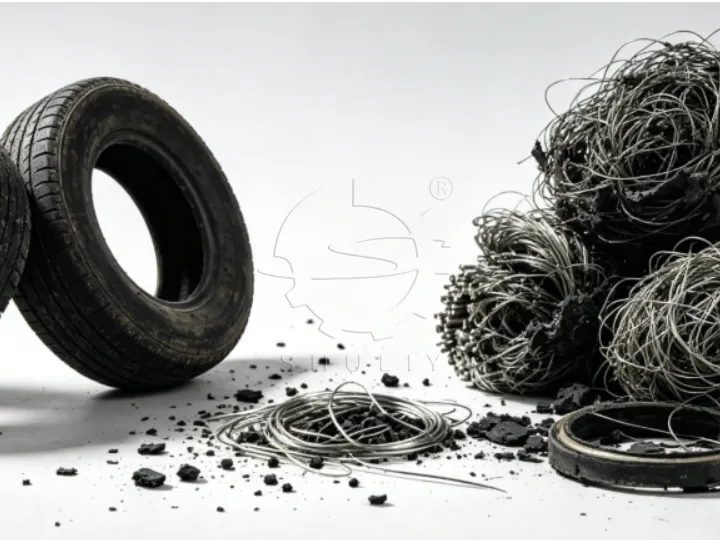
Every waste tire contains more than recyclable rubber. Hidden inside the bead area is high-strength steel wire that can become an additional source of income if recovered properly.
Unfortunately, many recyclers focus only on rubber processing and overlook the value of scrap tire wire. When steel becomes mixed with rubber, fiber, or other contaminants, its recycling value can decrease significantly.
If you’re looking for ways to recover scrap tire wire more efficiently and maximize its value, this guide explains what affects its quality, how buyers evaluate it, and what recycling practices help produce cleaner steel.
What Is Scrap Tire Wire?
Scrap tire wire is the high-tensile steel wire embedded inside the bead of vehicle tires. Its original purpose is to keep the tire securely attached to the wheel rim during driving.
During tire recycling, this steel can be separated from the rubber and sold as recyclable scrap metal. Because every passenger, truck, or OTR tire contains bead wire, steel recovery can become an important secondary income stream alongside recycled rubber.
Why Is Scrap Tire Wire Valuable?
Many people think the main product of tire recycling is crumb rubber, but steel is also a recyclable resource.
Recovering tire wire scrap offers several benefits:
- Generates additional revenue from recyclable steel.
- Reduces waste sent to downstream equipment.
- Improves the purity of recycled rubber.
- Makes the overall recycling process more efficient.
- Supports better material utilization and sustainability.
For commercial recycling plants, recovering both rubber and steel often improves the profitability of the entire operation.
What Determines the Value of Tire Wire Scrap?
Not all tire wire scrap has the same market value. Scrap buyers usually evaluate the material based on several factors.
Steel Purity
The cleaner the steel, the easier it is to recycle. Steel with minimal rubber attached is generally more attractive to scrap processors.
Rubber Contamination
One of the biggest factors affecting scrap tire wire is the amount of rubber still attached to the steel. Heavy contamination often means additional cleaning work before recycling.
Wire Condition
Long, intact wire is usually easier to transport, sort, and process than short pieces that have been heavily damaged during shredding.
Rust and Moisture
Excessive rust or long-term outdoor storage may reduce the quality of steel tire wire scrap. Keeping recovered steel dry helps maintain its condition before sale.
Local Scrap Market
Like other recyclable metals, the value of scrap tire wire also depends on regional demand and local scrap metal prices. Although prices fluctuate, cleaner material generally has stronger market acceptance.
Common Mistakes That Reduce Scrap Tire Wire Value
Many recyclers unintentionally lower the value of recovered steel during processing.
Some common mistakes include:
- Shredding whole tires before separating the bead wire.
- Mixing steel with rubber chips and fiber.
- Leaving recovered steel exposed to rain for long periods.
- Mixing tire wire with other types of scrap metal.
- Failing to sort and store recovered steel properly.
Avoiding these mistakes can improve both material quality and recycling efficiency.
How to Produce Cleaner Scrap Tire Wire
Producing high-quality scrap tire wire starts with choosing the right processing sequence.
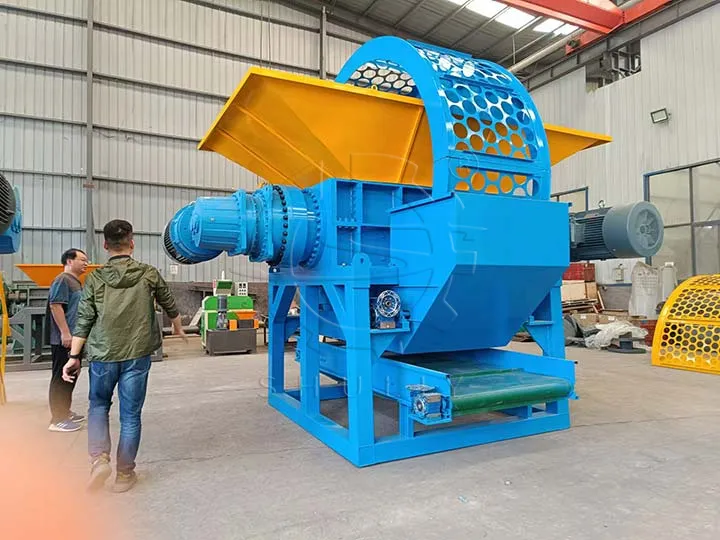
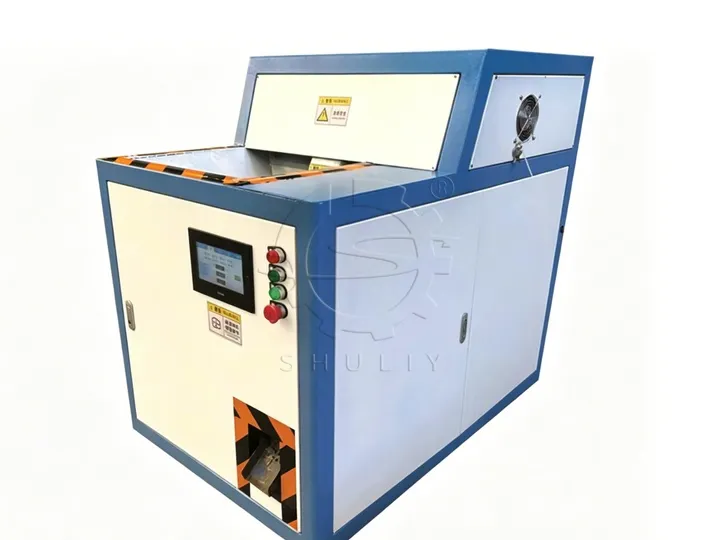
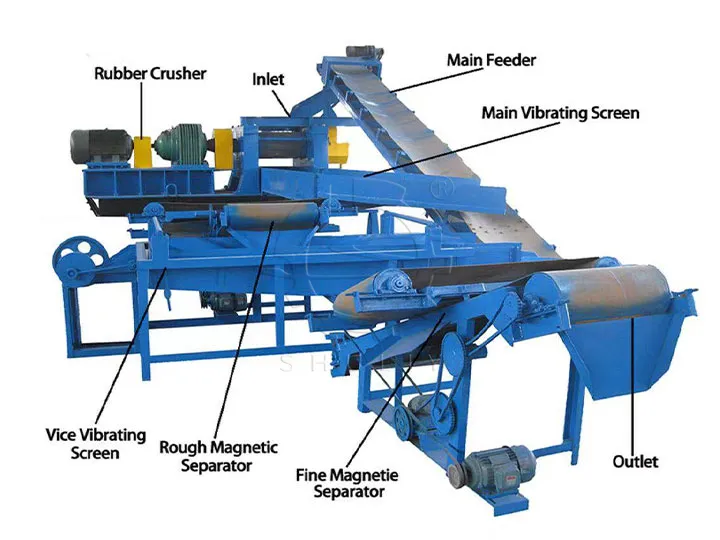
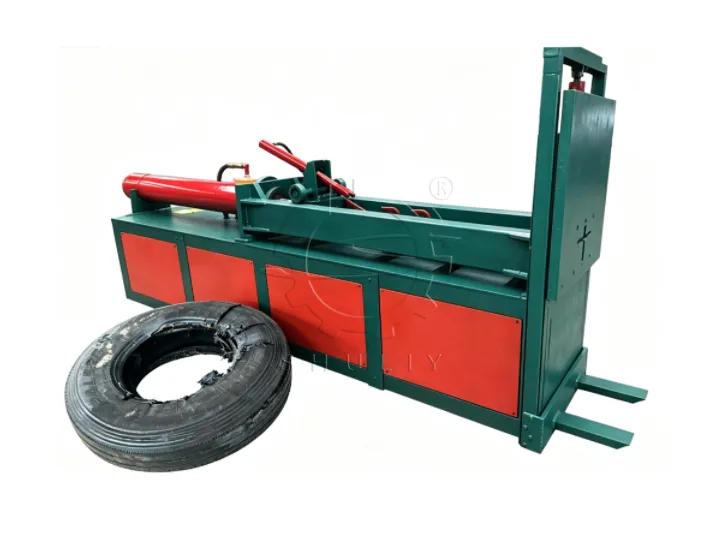
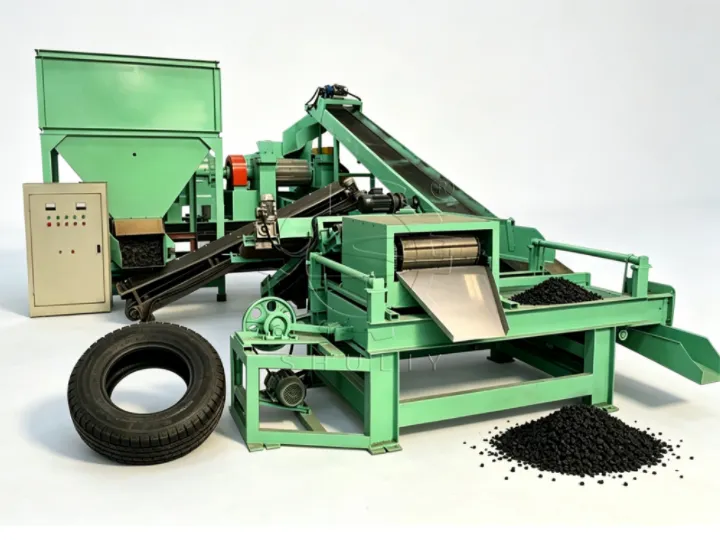
Many small recycling businesses first use a tire ring cutter and a tire wire separator to remove the tire sidewalls and tire bead wires before further processing. This approach reduces the amount of material entering the shredder and is suitable for moderate production volumes.
For larger recycling plants, another option is to extract the bead wire before shredding by using a hydraulic tire wire drawing machine. Because the steel is removed before the tire is cut into smaller pieces, the recovered wire usually contains less rubber contamination, making subsequent handling and recycling easier.
Rather than focusing only on steel recovery, many recyclers choose the processing method that best balances equipment investment, production capacity, and material quality.
Where Can Scrap Tire Wire Be Sold?
After separation, scrap tire wire is commonly sold to:
- Scrap metal recycling companies
- Steel processing plants
- Metal smelters
- Regional scrap collection centers
Before selling, it is worth checking local recycling requirements, as some buyers may have specifications regarding contamination levels, packaging, or material classification.
Frequently Asked Questions
Can scrap tire wire be recycled?
Yes. Tire bead wire is made from high-strength steel and is widely accepted by metal recycling companies after proper separation.
Does cleaner tire wire scrap have higher value?
In many cases, cleaner steel with less rubber contamination is easier for recyclers to process, making it more attractive to scrap buyers.
Is it better to remove bead wire before shredding?
For many commercial recycling plants, removing bead wire before shredding helps reduce equipment wear, simplifies steel recovery, and improves the cleanliness of the recovered material.
最终想法
Recovering scrap tire wire is not simply about separating steel from old tires. The quality of the recovered material directly influences recycling efficiency, equipment maintenance, and the overall value of the final recyclable products.
By reducing contamination, storing steel properly, and selecting an appropriate recovery method, recyclers can produce cleaner tire wire scrap that is easier to recycle and more attractive to buyers. As tire recycling businesses continue to grow, paying attention to steel recovery can be an effective way to improve both operational efficiency and the overall return from every waste tire.