A water ring pelletizer offers excellent pellet appearance and automation, making it ideal for many rigid plastic applications.
A strand pelletizer remains the preferred solution for film recycling because of its simplicity, flexibility, and lower operating cost.
Before selecting a pelletizing system, evaluate your material type, desired output, and investment budget. The right choice will improve efficiency, reduce downtime, and increase the value of your recycled pellets.
When investing in a plastic recycling line, buyers often focus on the extruder, crusher, or washing system. However, the pelletizing method at the end of the line can have a significant impact on pellet quality, operating costs, and production efficiency.
The two most common options are the water ring pelletizer and the strand pelletizer. Both systems are widely used in PP and PE recycling, but they are designed for different production requirements.
Understanding their differences can help you choose the right configuration for your recycling business.
What Is a Water Ring Pelletizer?
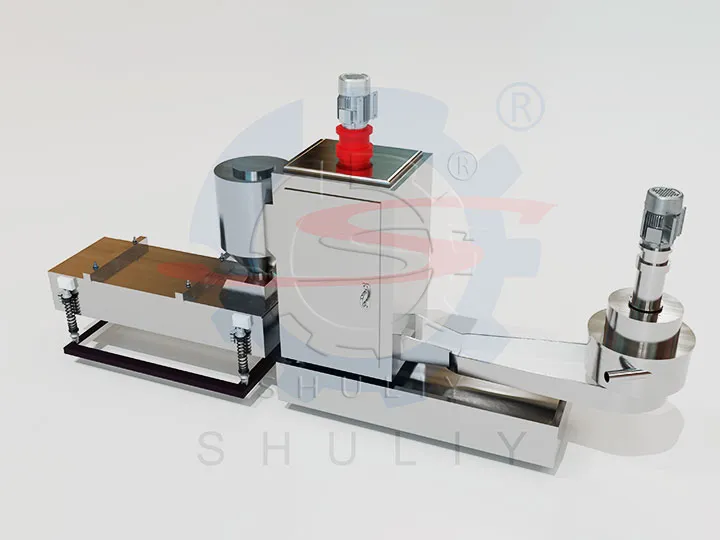
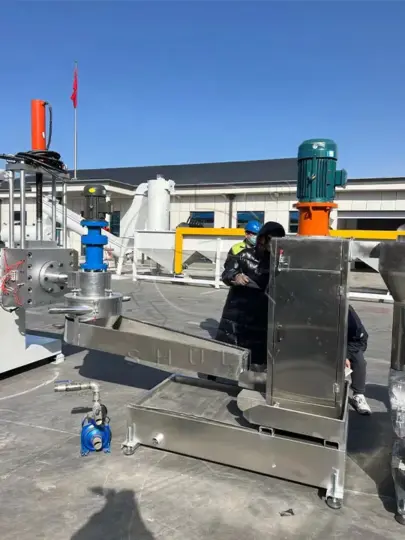
A water ring pelletizer cuts molten plastic directly at the die face. As pellets are formed, circulating water immediately cools and transports them away from the cutting chamber.
This system is commonly used in medium- to high-capacity recycling plants because it combines cutting and cooling into a single process.
Typical materials include:
- HDPE flakes
- PP regrind
- Injection molding scraps
- Blow molding waste
One of the biggest advantages of a water ring pelletizer is its ability to produce uniform and rounded pellets with minimal manual adjustment.
What Is a Strand Pelletizer?
A strand pelletizer works differently.
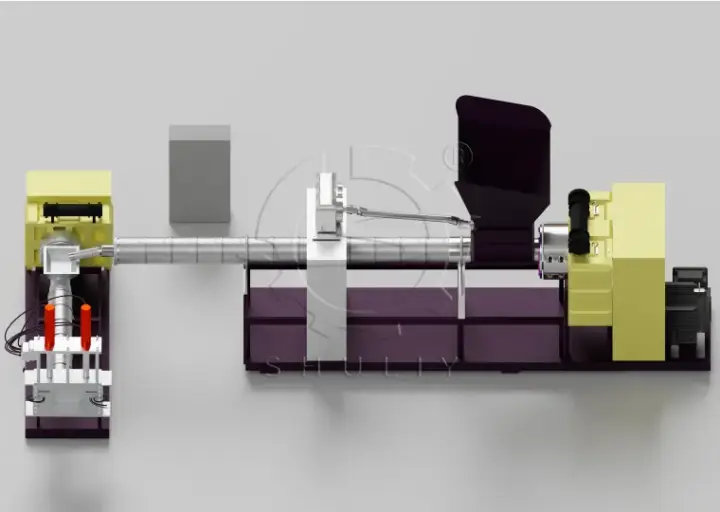
After leaving the die head, the molten plastic is stretched into strands and passes through a cooling tank. The cooled strands are then fed into a pellet cutting machine.
This method has been used in plastic recycling for decades and remains one of the most economical pelletizing solutions.
Strand pelletizing is especially common in:
- Plastic film recycling
- LDPE recycling
- Agricultural film processing
- Small and medium-sized recycling plants
Because the process is simple, maintenance requirements are generally lower.
Pellet Quality Comparison
One reason many buyers choose a water ring pelletizer is pellet appearance.
Since cutting occurs while the plastic is still molten, pellets tend to be:
- More uniform
- More rounded
- Better flowing during packaging and transportation
Strand pelletizers can also produce high-quality pellets, but pellet shape is usually cylindrical rather than round.
For customers selling recycled pellets directly to manufacturers, pellet appearance may influence market value.
Which System Is Easier to Operate?
The answer depends on the material.
For rigid plastics such as HDPE and PP flakes, a water ring pelletizer often provides smoother operation because the cutting process is highly automated.
For soft materials such as plastic film, strand pelletizing is generally more practical. Film materials can be difficult to stabilize at the die face, making water ring systems less suitable in many cases.
This is one reason why most plastic film recycling lines still use strand pelletizing technology.
Maintenance and Operating Costs
Maintenance is another important consideration. A water ring pelletizer contains more components, including:
- Water circulation system
- Cutting chamber
- Rotary knife assembly
As a result, initial investment and maintenance costs are typically higher.
Strand pelletizers have a simpler structure and are easier to service. Replacement parts are usually less expensive, making them attractive for businesses focused on cost control.
Which Materials Are Best for Each System?
In most recycling projects, material type is the deciding factor.
Water Ring Pelletizer
Recommended for:
- HDPE bottle flakes
- PP injection scraps
- Rigid PE and PP materials
- Large-capacity recycling plants
Strand Pelletizer
Recommended for:
- Filamu ya LDPE
- LLDPE film
- Filamu ya kilimo
- mifuko ya plastiki
- Flexible packaging waste
Selecting a pelletizing system based on material characteristics generally produces better results than choosing based solely on budget.
Which Pelletizing System Should You Choose?
If your goal is high output, consistent pellet shape, and automated production, a water ring pelletizer can be an excellent choice.
If you mainly process plastic film or flexible plastics, a strand pelletizer is often the more reliable and cost-effective solution.
In many cases, the best pelletizing system is simply the one that matches your raw material.
Fikira za mwisho
Both pelletizing methods have proven themselves in plastic recycling.
A water ring pelletizer offers excellent pellet appearance and automation, making it ideal for many rigid plastic applications.
A strand pelletizer remains the preferred solution for film recycling because of its simplicity, flexibility, and lower operating cost.
Before selecting a pelletizing system, evaluate your material type, desired output, and investment budget. The right choice will improve efficiency, reduce downtime, and increase the value of your recycled pellets.